
Call us now :07971189380
 Send Inquiry
 Send Inquiry
Lifebuoy Ring
Price 1400 INR/ Piece
MOQ : 5 Pieces
Lifebuoy Ring Specification
- Water Proof
- Yes
- Function
- Life-saving flotation device
- Gender
- Unisex
- Application
- Marine rescue, Swimming pools, Ships
- Length
- 760 mm (outer diameter)
- Features
- High visibility, Durable, UV resistant, Rope-grip design
- Disposability
- Non-disposable
- Shelf Life
- 5 years
- Number Of Layers
- Single layer
- Reusable
- Yes
- Tensile Strength
- 16.5 KN
- Material
- High-density polyethylene (HDPE) with PU foam core
- Color
- Orange with reflective tape
- Size
- Standard (outer diameter: 760 mm, inner diameter: 440 mm)
- Weight
- 2.5 kg
- Usage Environment
- Freshwater and seawater
- Rope
- Polypropylene grab rope fitted around perimeter
- Temperature Resistance
- -30°C to +65°C
- Reflective Tape
- Solas grade reflective strips
- Fire Retardant
- Yes
- Packaging Type
- Polybag or customized packaging
- Compliance
- IMO, SOLAS, ISI- approved
- Buoyancy
- Greater than 14.5 kg
Lifebuoy Ring Trade Information
- Minimum Order Quantity
- 5 Pieces
- Supply Ability
- 50000 Pieces Per Week
- Delivery Time
- 7 Days
About Lifebuoy Ring
Lifebuoy Ring
Also known as lifer saver donut or kisby ring, Lifebuoy Ring is made using polyethylene and is of great significance in marine activities. So this product holds a great efficiency in providing buoyancy to the person inside water. It is majorly an aid given to the drowning person to help him attain a support and buoyancy against water pressure. The product has has been included in one of the important helping agents on cruises,ships boats, etc. Lifebuoy Rings are either stuffed with air or with polyurethane foam and can be availed in different dimensions.
Specification
| Brand | SK |
| Usage/Application | Ship |
| Material | PVC |
| Color | Orange |
| Shape | Round |
| Country of Origin | Made in India |
Compliant and Reliable Safety Solution
Our Lifebuoy Ring is manufactured in accordance with IMO, SOLAS, and ISI standards, ensuring compliance for vessel safety worldwide. Its SOLAS-grade reflective tape and vivid coloring facilitate quick identification, even in challenging conditions, increasing the chances of swift rescue. Durable against harsh marine environments, the products premium HDPE and PU foam construction assures longevity and resistance to physical and environmental stresses.
Versatile Usage and Robust Design
The Lifebuoy Rings design and construction make it suitable for a range of applications, from commercial shipping to recreational swimming pools. Featuring a high-tensile polypropylene grab rope, UV resistance, and waterproofing, the ring provides reliable support in emergencies. Its single-layer build, fire retardant capability, and operational temperature range from -30C to +65C underscore its adaptability and effectiveness in diverse settings.
FAQs of Lifebuoy Ring:
Q: How is the Lifebuoy Ring used during a water rescue?
A: To use the Lifebuoy Ring, simply throw it towards the person in distress. The attached polypropylene grab rope allows the individual to grasp and hold on securely while being pulled to safety. Its high buoyancy and visibility help expedite the rescue process, making it suitable for both professional and recreational settings.Q: What makes this Lifebuoy Ring compliant with international safety standards?
A: The Lifebuoy Ring is approved by IMO, SOLAS, and ISI, adhering to stringent safety and performance requirements. It meets key criteria such as buoyancy above 14.5 kg, SOLAS-grade reflective strips for visibility, robust construction materials, and resistance to fire and harsh temperatures, ensuring reliability in emergencies.Q: When should a Lifebuoy Ring be replaced?
A: While the Lifebuoy Ring is reusable and highly durable, it is recommended to replace it after five years of regular service or immediately if any visible damage, loss of buoyancy, or compromised integrity is observed. Always conduct routine inspections to ensure the ring is in optimal condition.Q: Where can this Lifebuoy Ring be deployed effectively?
A: This Lifebuoy Ring is suitable for use in various aquatic environments such as marine vessels, swimming pools, lakes, rivers, and beaches. Its durability and adaptability to both freshwater and seawater make it a reliable safety device in diverse settings.Q: What benefits does the rope-grip design provide?
A: The integrated polypropylene grab rope makes it easier for individuals to hold onto the device during rescue. It also enables rescuers to throw or retrieve the ring efficiently, enhancing the effectiveness and safety of the rescue operation.Q: What are the maintenance requirements for this Lifebuoy Ring?
A: Maintenance involves regular visual inspections for physical damage, cleaning with mild soap and water, and storing the ring away from prolonged direct sunlight when not in use. Ensure the reflective tape and rope remain intact for maximum safety.Q: How does the fire-retardant feature enhance safety?
A: The fire-retardant property of the Lifebuoy Ring ensures it remains functional and safe to use even in environments exposed to high temperatures, such as near engines or fuel. This adds an extra layer of protection during emergencies involving both fire and water hazards.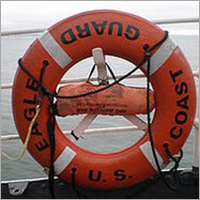
Tell us about your requirement

Price:
Quantity
Select Unit
- 50
- 100
- 200
- 250
- 500
- 1000+
Additional detail
Mobile number
Email

More Products in Personal Safety Product Category
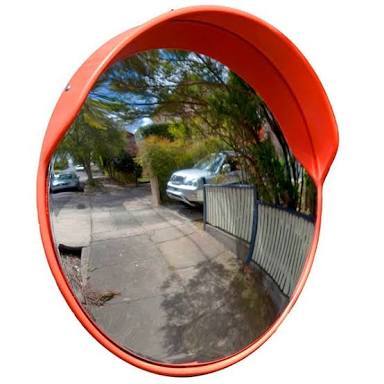
Convex Mirror
Price 1900 INR / Piece
Minimum Order Quantity : 5 Pieces
Tensile Strength : High, suitable for outdoor and indoor installations
Color : Mirror surface with orange (or red) reflective border
Length : Available in multiple diameters (300mm, 450mm, 600mm or as per requirement)
Weight : Varies by size (e.g., approx. 2.5 kg for 600mm)
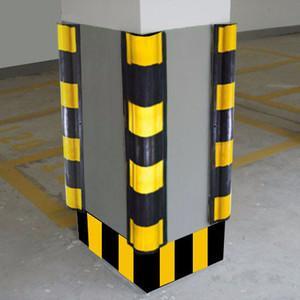
Coulam Corner Guard
Price 320 INR / Piece
Minimum Order Quantity : 100 Pieces
Tensile Strength : 10MM Newtons per Millimetre Squared (N/mm2)
Color : black/yeiiow
Length : 900 Millimeter (mm)

 Send Inquiry
Our Products


F- 7/22, Sector 11, Pratap Vihar,Ghaziabad - 201009, Uttar Pradesh, India

Mr S.K SALES
(Director)
Mobile :07971189380
 Send Inquiry
 Send SMS
Developed and Managed by Infocom Network Private Limited.
 English
 Spanish
 French
 German
 Italian
 Chinese (Simplified)
 Japanese
 Korean
 Arabic
 Portuguese